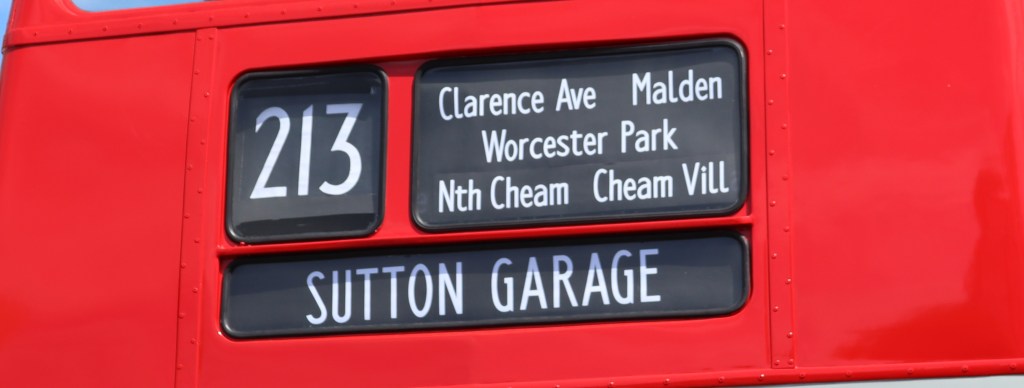
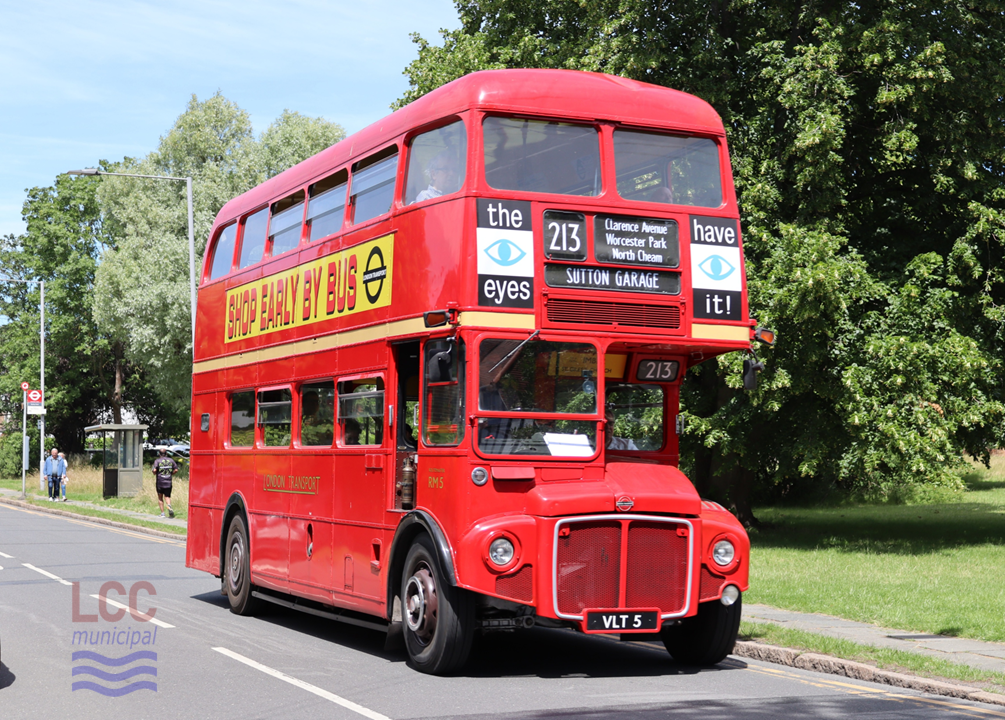
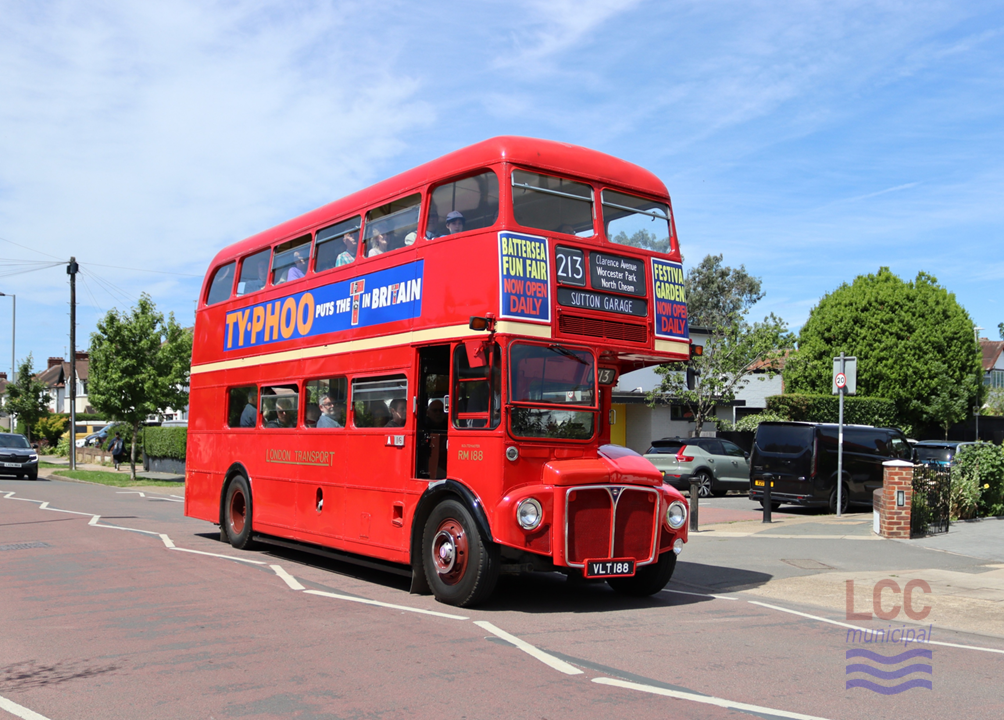
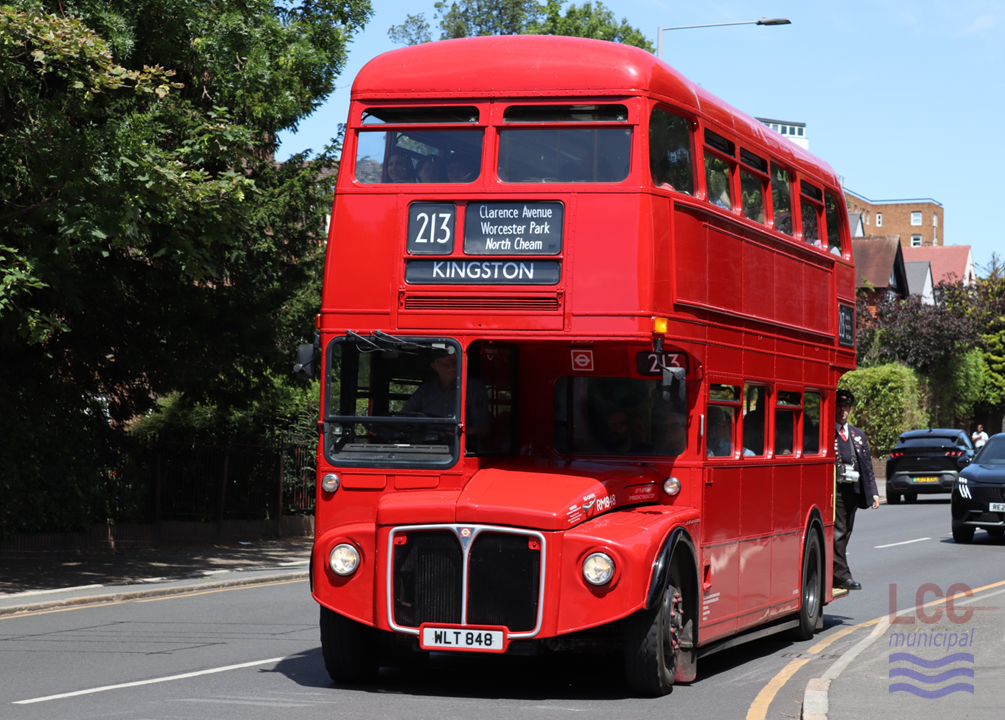
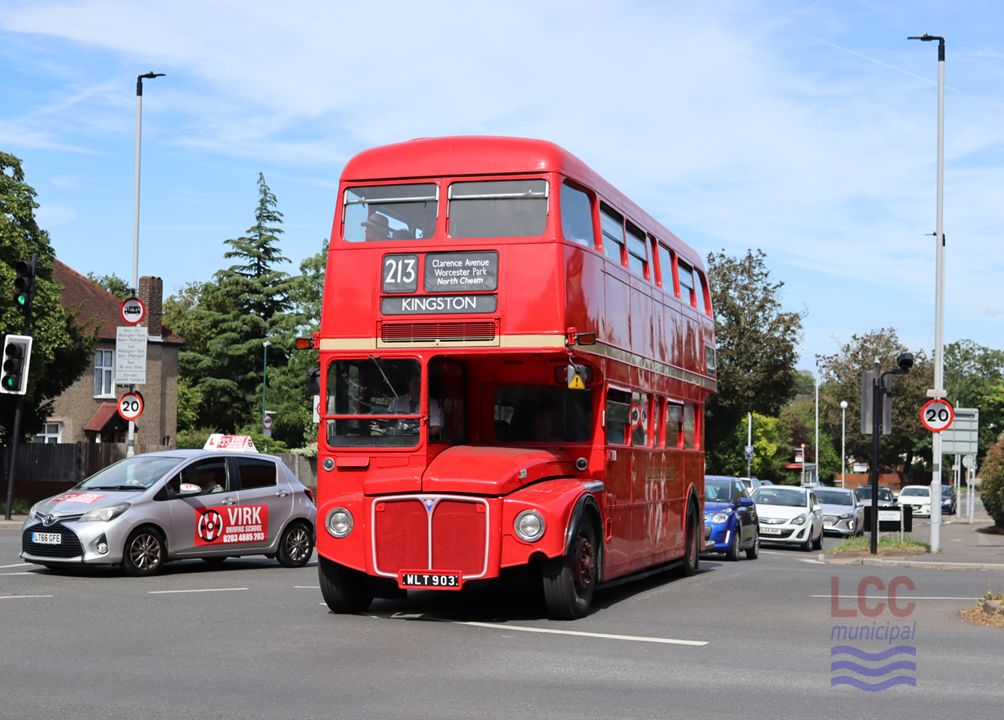
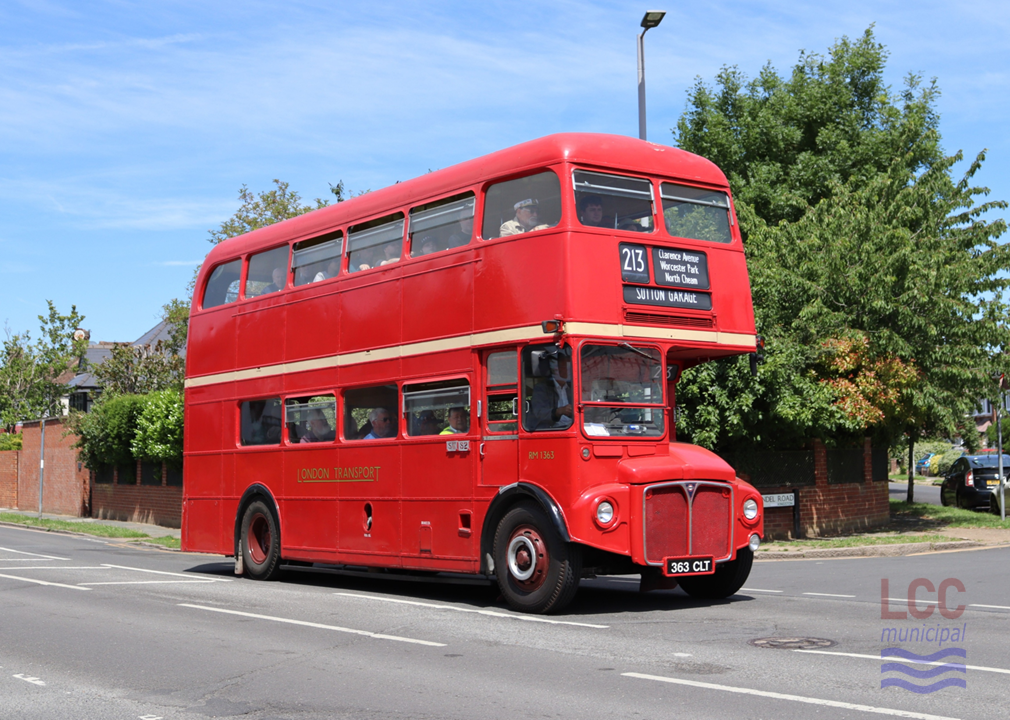
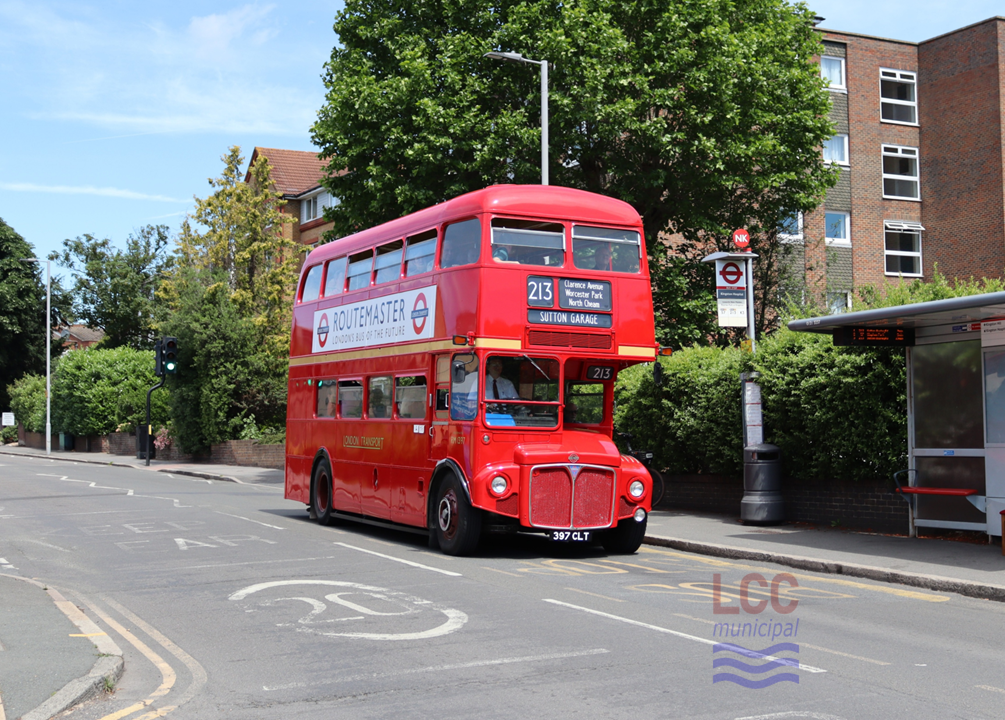
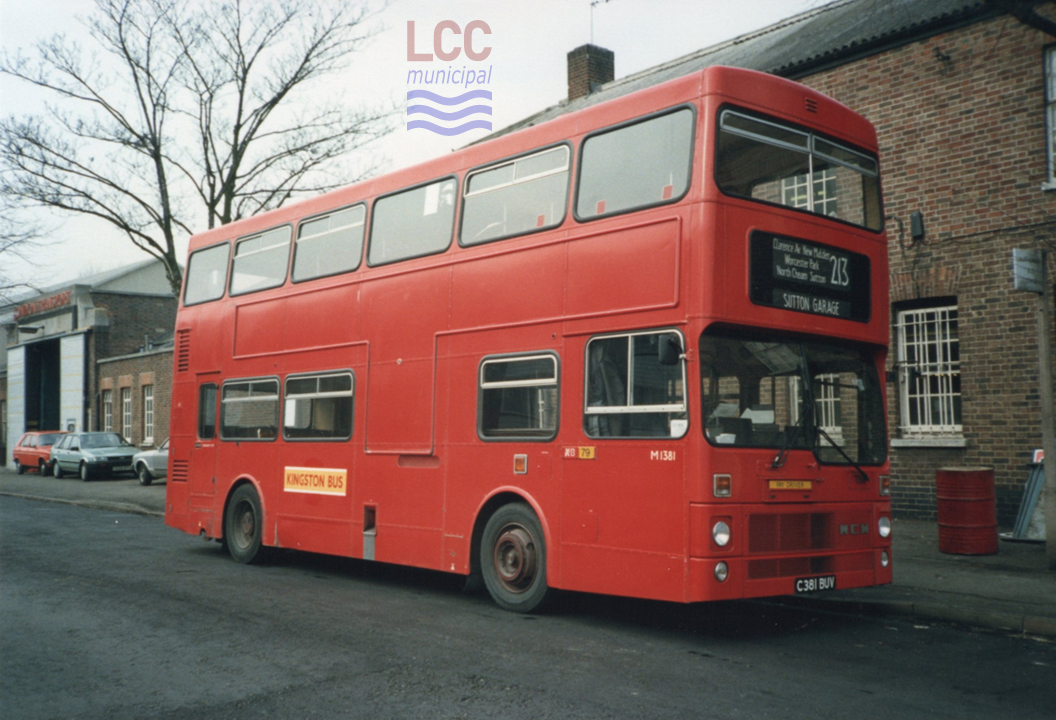
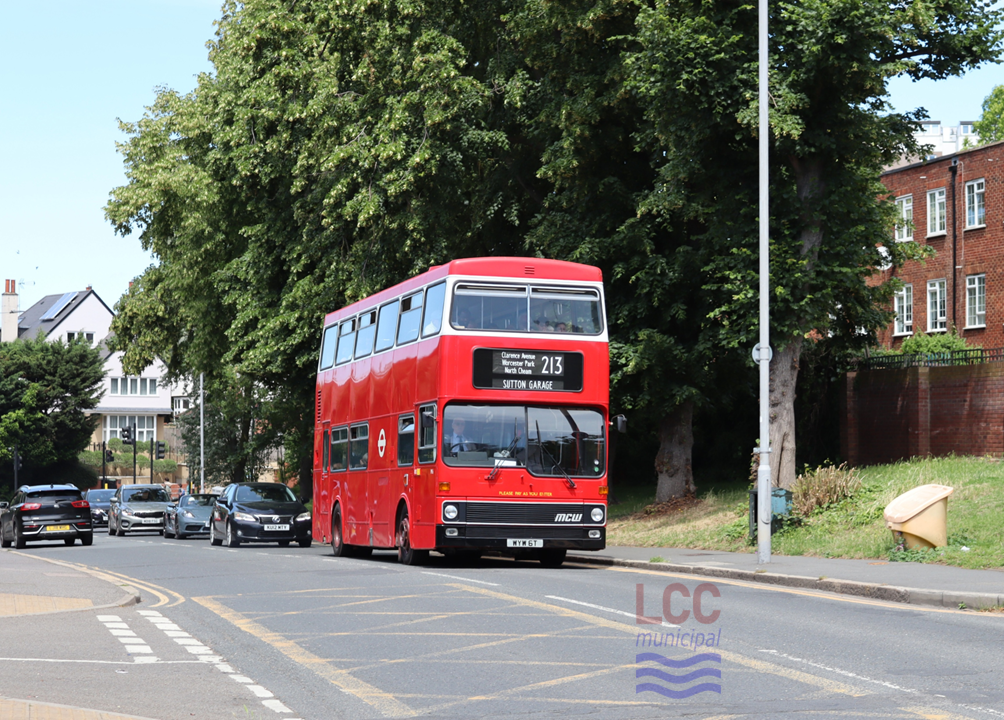
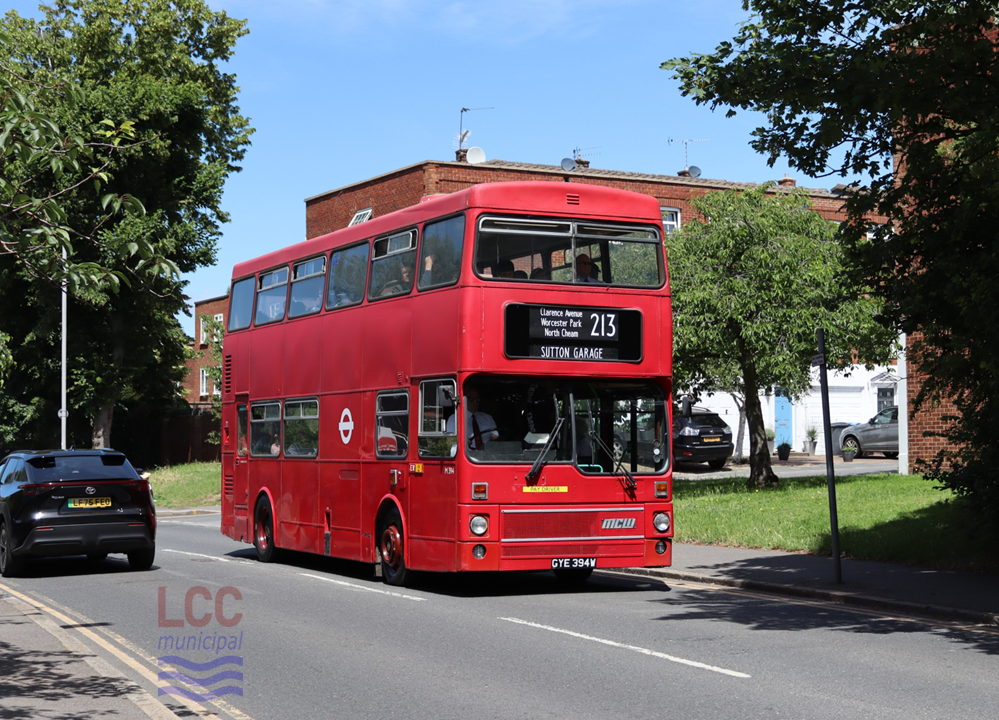
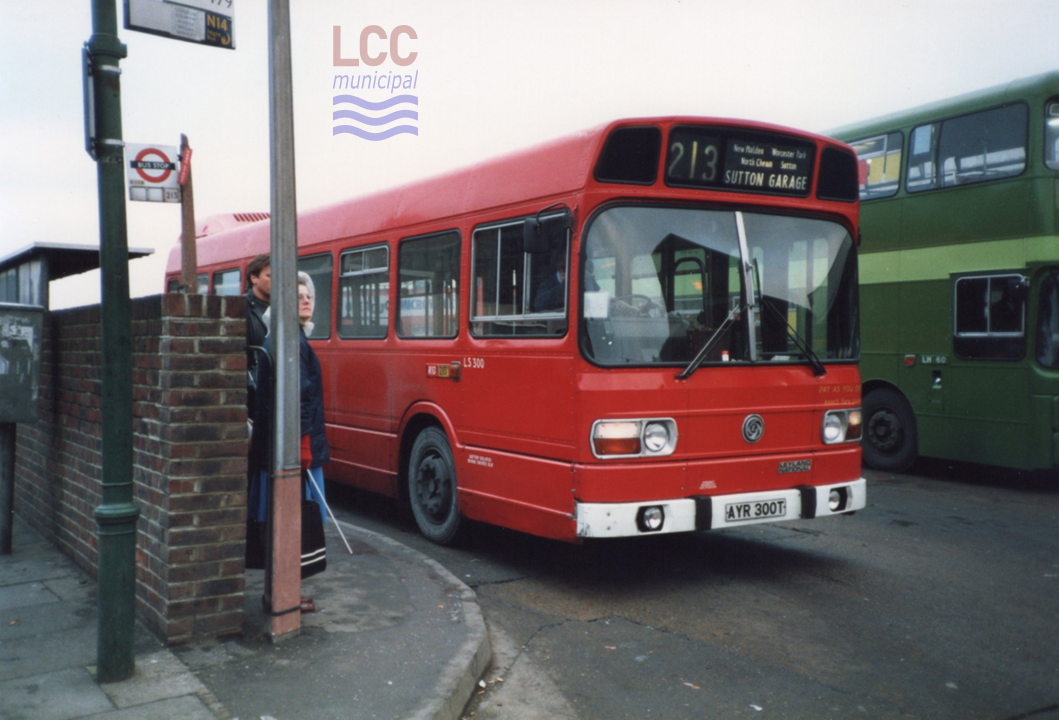
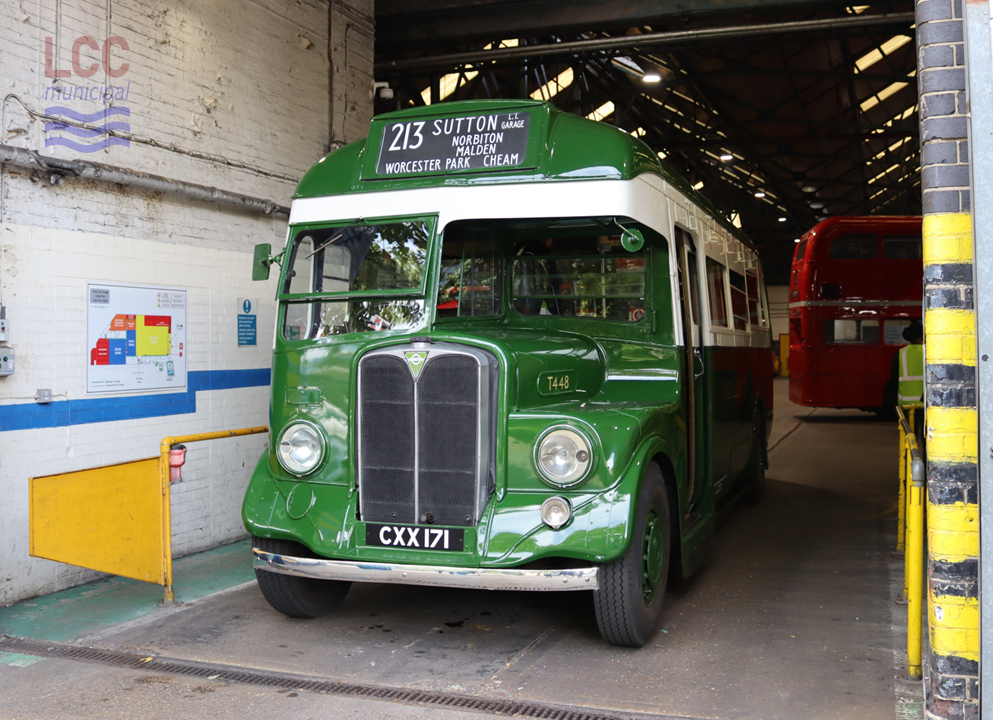
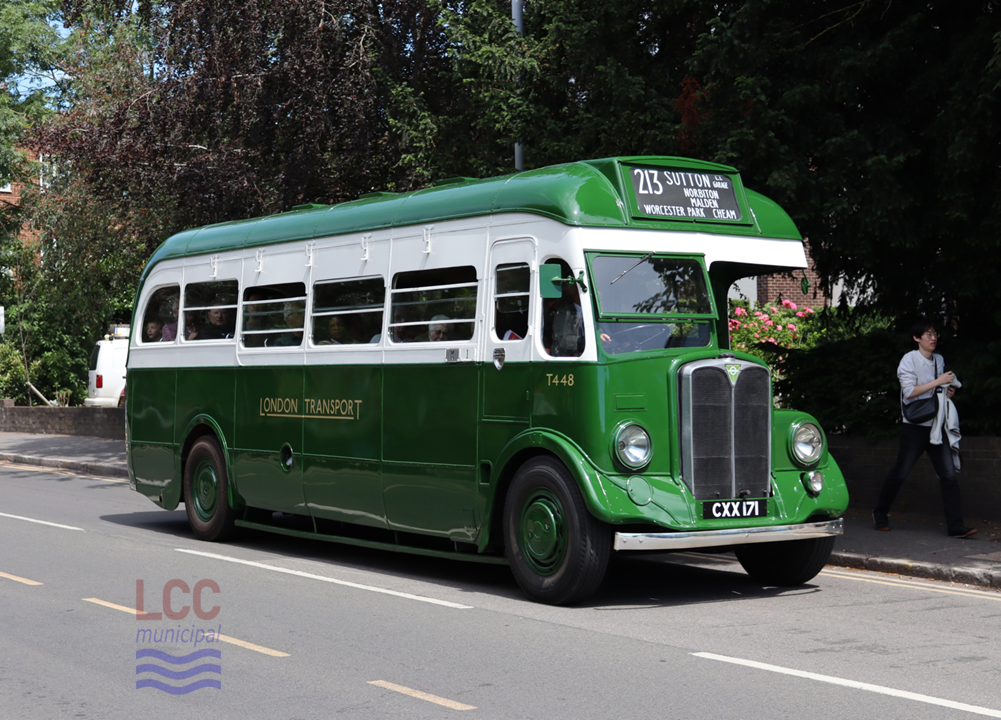
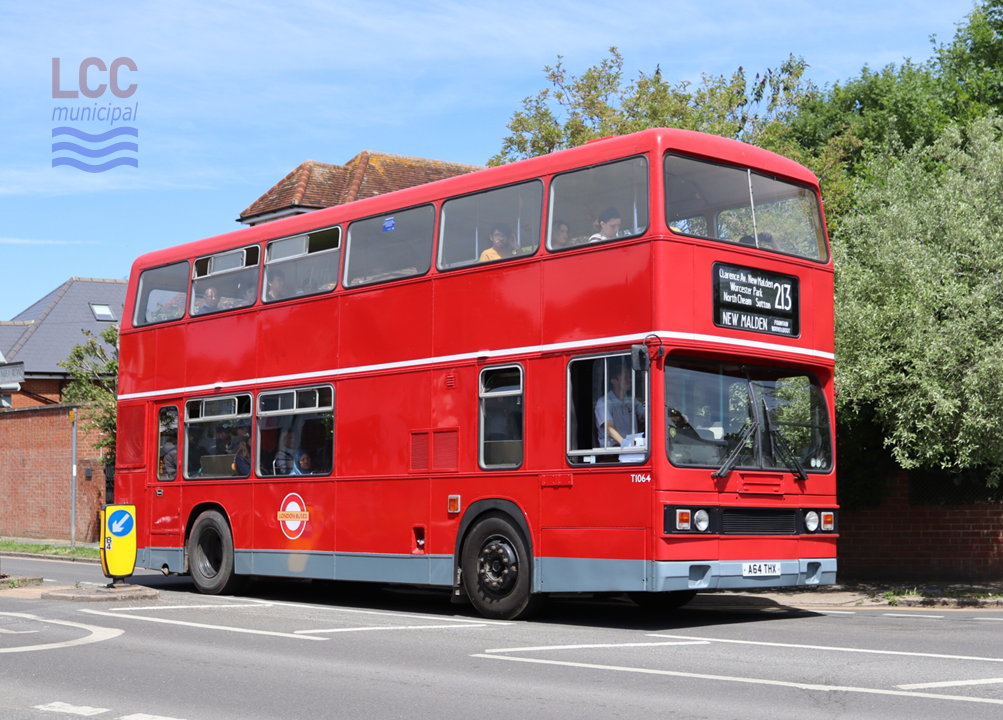
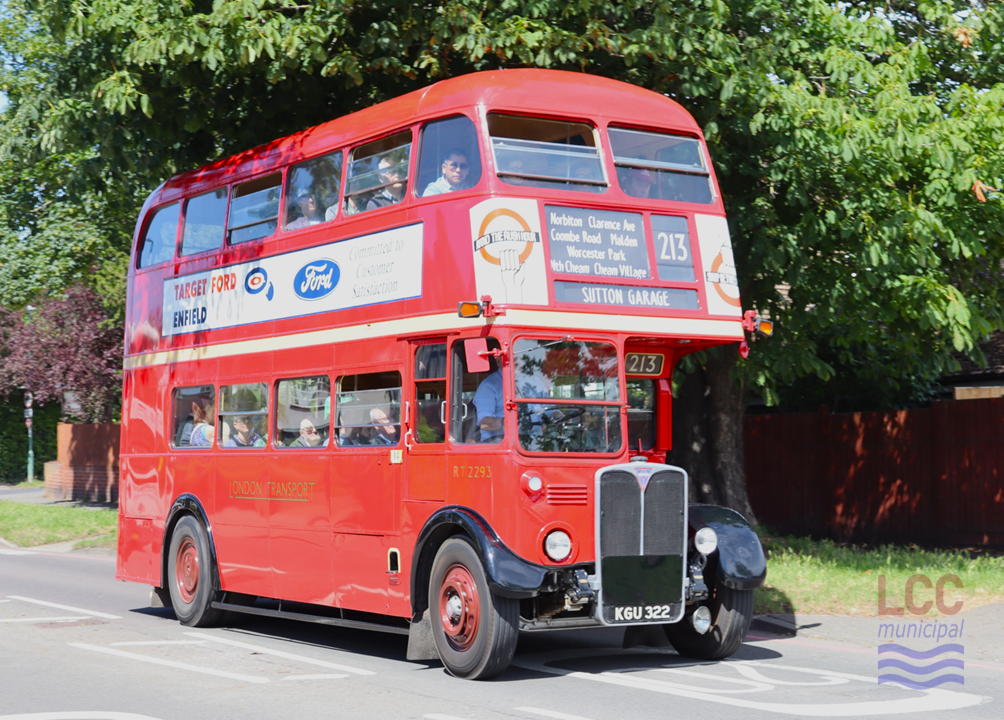
Saturday 13th June saw the 213 heritage bus running day, organised by the London Bus Museum. The route has run between Sutton and Kingston in one form or another since 1921, initially as the 113, and then as the 213 from 1934.
Having grown up in the area, and still living locally, the 213 has a special place in my heart. I’ve taken it to school, college, job interviews, work, parties, the shops… My grandparents used it (my granny always insisted on calling it the “two-thirteen”), as did my parents and now my children. In a world that changes all the time, the 213 has felt like one of those ever-presents – something that quietly ticks along in the background and gives you a subconscious sense of stability and continuity. In other words, you would miss it if it was gone, and not just because of its utility value.
So, I wasn’t going to miss the running day. My photos are below – and you can jump straight to them if you want to skip the preamble.
London’s buses in municipal life
I feel the need to justify posting about London’s buses on LCC Municipal, because situating London’s transport within municipal life is more complicated than you might expect if you are used to a city transit authority controlling, owning and operating the local network.
Barker and Robbins’ authoritative History of London Transport runs to 966 pages and stops at 1970. I will just leave that sentence there if you feel that what follows is excessively reductive!
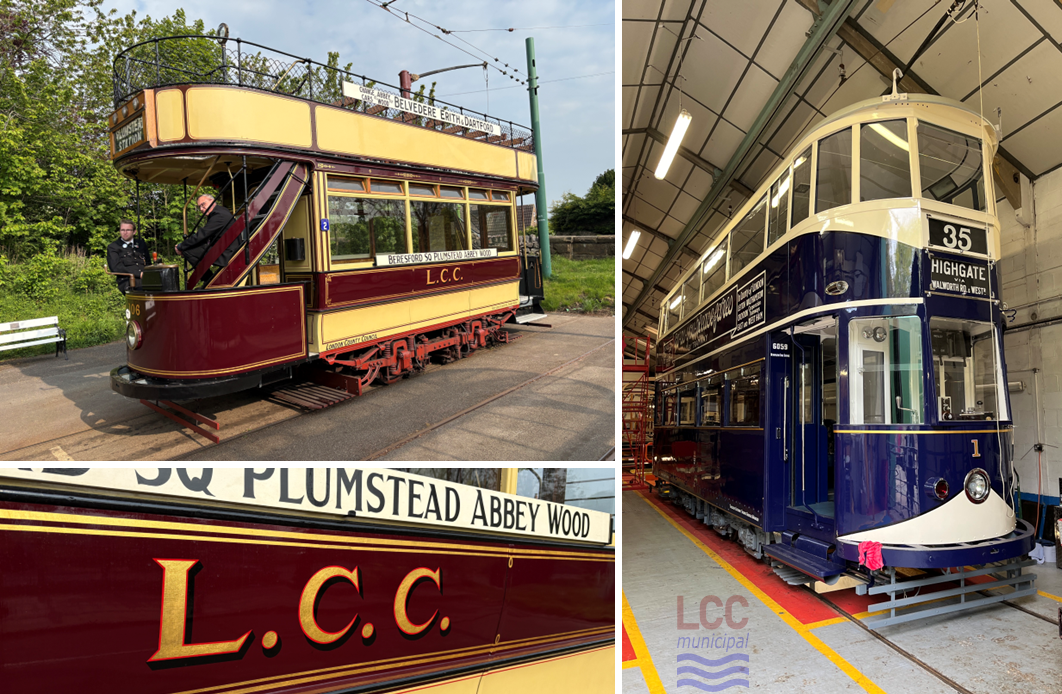
London County Council tram cars preserved at the National Tramway Museum at Crich, Derbyshire: the recently restored LCC 1 “Bluebird” and tramcar 106
Up until 1933, ownership of London’s public road transport was mixed. A number of tramway systems were in local public ownership, most notably the trams of the London County Council, although some neighbouring authorities within the metropolitan area also had operations. The bus network was almost wholly in private hands.
1933 would see all that change, when much of London’s public transport – buses, underground, trams and trolleybuses – was consolidated into a form of public ownership with the creation of the London Passenger Transport Board. This was the vision of Herbert Morrison, Transport minister in Ramsay MacDonald’s Labour government. But it was a project of central government, not local democracy. In any event, the LPTB’s area was greater than any existing London local authority at just under 2,000 square miles (compared with, for example, the London County Council’s c.120 square miles).
As part of the Attlee government’s post-WW2 nationalisation programme, the Board was replaced by the London Transport Executive in 1948, and put under the control of the British Transport Commission. Again, an initiative of central, not London, government. This arrangement survived until 1962 when the Executive was placed under the direct control of the Ministry of Transport.
And then, in 1970, London Transport was handed over to the Greater London Council. Shorn of its Country-area green bus operations (which transferred to the National Bus Company as London Country), the urban and suburban red bus network now aligned more closely with the GLC’s geographical footprint. Thus began 14 years of London municipal operation.
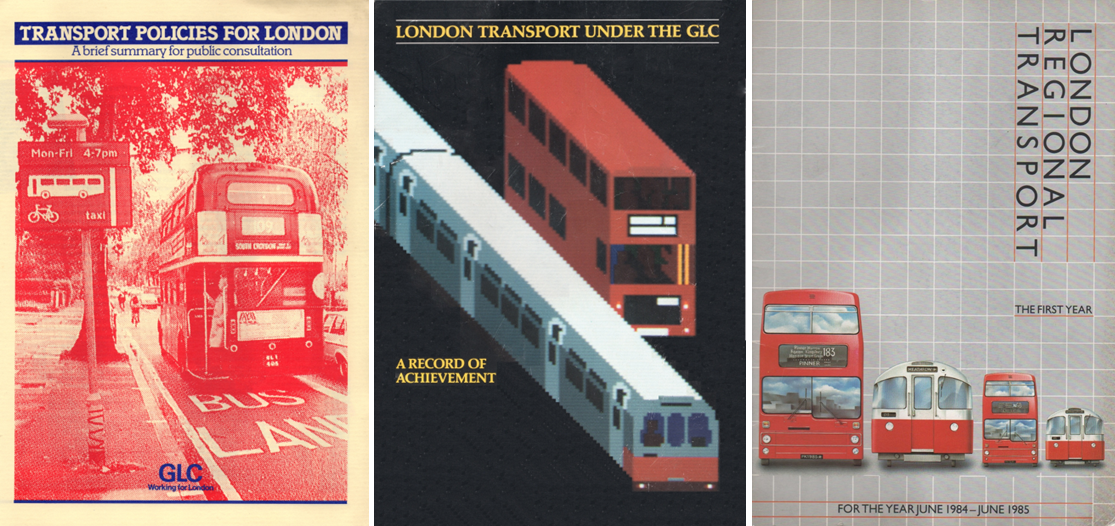
Various GLC publications covering London Transport, including the valedictory “London Transport under the GLC” and its rather harsher critique of what followed
Roger Torode provides an overview of the GLC period of control in his 2015 book Privatising London’s Buses (although, as the title suggests, his primary focus is a later period in London Transport’s history) [1]. He quotes David Quarmby who joined London Transport as Director of Operational Research in 1970:
“The first ten years of the relationship with the GLC were fraught… London Transport was a powerful and strong organisation and, to some extent, a pretty arrogant organisation. It had been taken over by what some Board members in London Transport liked to call ‘a jumped up local authority’…. At the same time, GLC members felt that this is our transport system, we ought to have more say on what the policies are, how things are done, and how services are planned…” [2]
Against this rather hostile background, the 1970s might not be regarded as the heyday of London Transport. Passenger numbers were declining, costs were rising, industrial relations were frequently fraught, and the conversion to one person operation of buses resulted in the acquisition of a large fleet of new buses that London Transport simply couldn’t get to work properly (the DMS Fleetline, although operators of second hand examples generally fared better with them).
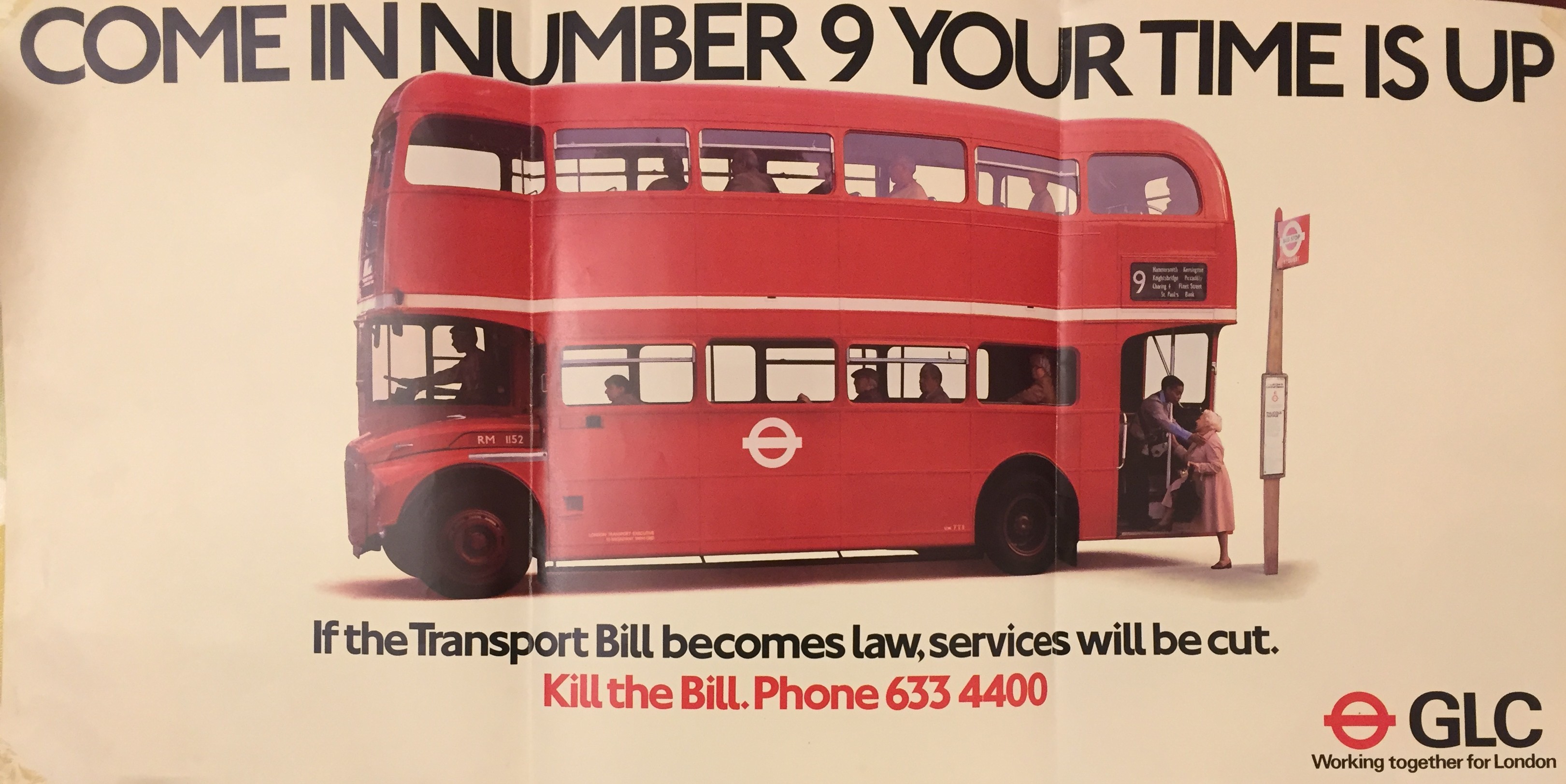
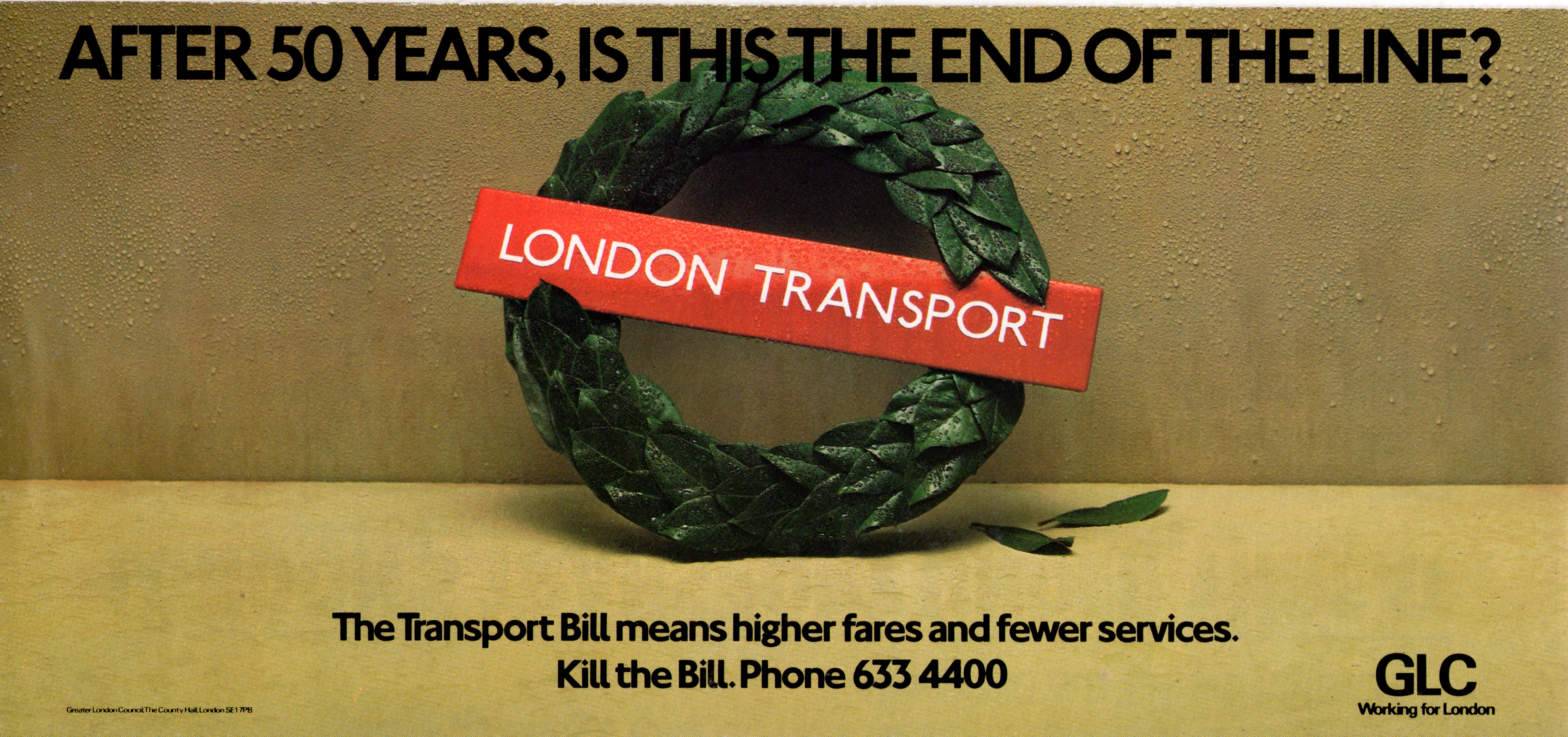
The Greater London Council campaigns against the Thatcher Government’s plans for changes to the ownership and control of London Transport in the early 1980s
Ken Livingstone’s Labour administration took control of the GLC in 1981 and resolved to support and develop public transport in London. A central feature of the strategy was the Fares Fair policy: the goal was a 25% fare reduction funded by an additional supplementary rate (“the rates” being the local government tax in place at the time) [3]. An ultimately successful challenge to the policy by the Conservative-controlled London Borough of Bromley saw it reversed – Bromley objected to the perceived subsidy its suburban residents were supplying to inner London.
The Thatcher government had plans for the GLC specifically and for public ownership of buses more broadly. The battle to save the GLC is not for this post, nor is the country-wide bus deregulation and privatisation programme which commenced in 1986. Suffice to say, in 1984, Thatcher stripped the GLC of its control of London Transport, with the creation of London Regional Transport. The GLC was then abolished in 1986.
Yet, in the short term, London was spared the full impact of the 1986 changes which saw the National Bus Company, Scottish Bus Group, the Passenger Transport Executive undertakings in Britain’s major cities, and a great many municipally-owned bus operators sold off and privatised. Concurrently, deregulation of services outside of London saw private sector competition introduced in a largely unregulated fashion.
Privatisation would ultimately come to London’s buses in the 1990s, but deregulation never did. Rather than the “competition on the road” free-for-all experienced outside of the capital, the solution for London would be “competition for the road” through a structured process of bus route tendering and contract awards to private operators.
That is essentially the position that remains today, with Transport for London the overarching authority since 2000.
So, in summary, municipal control of London’s buses has been the primary (but not exclusive) state of affairs since 1970; municipal ownership, on the other hand, was short-lived indeed over that period.
Anyway, to the photos…
A selection of photos from the running day
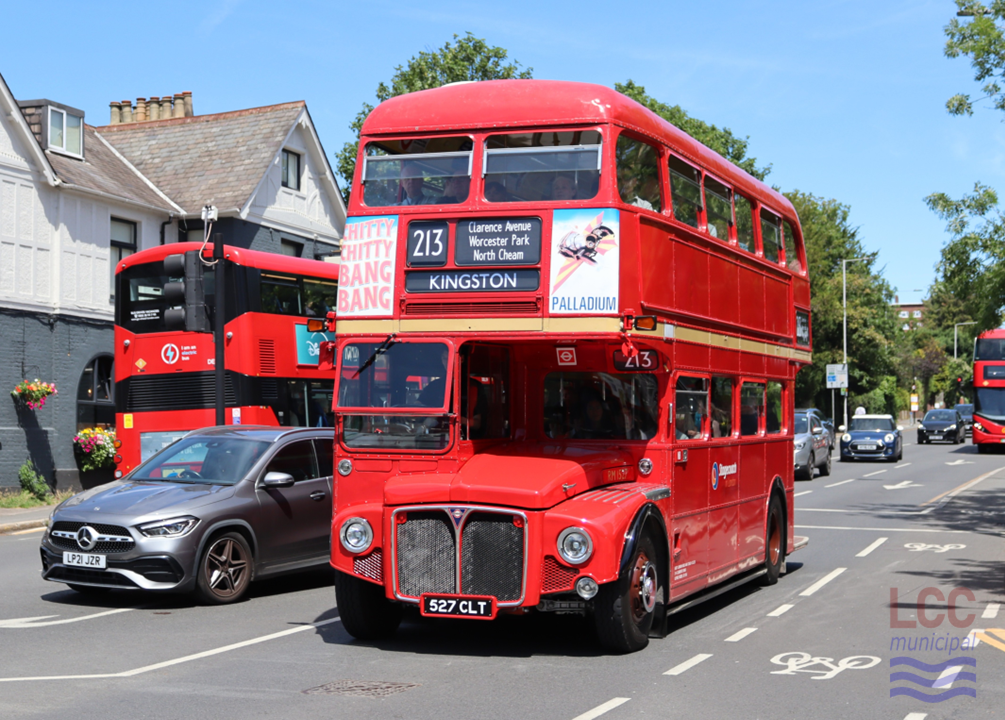
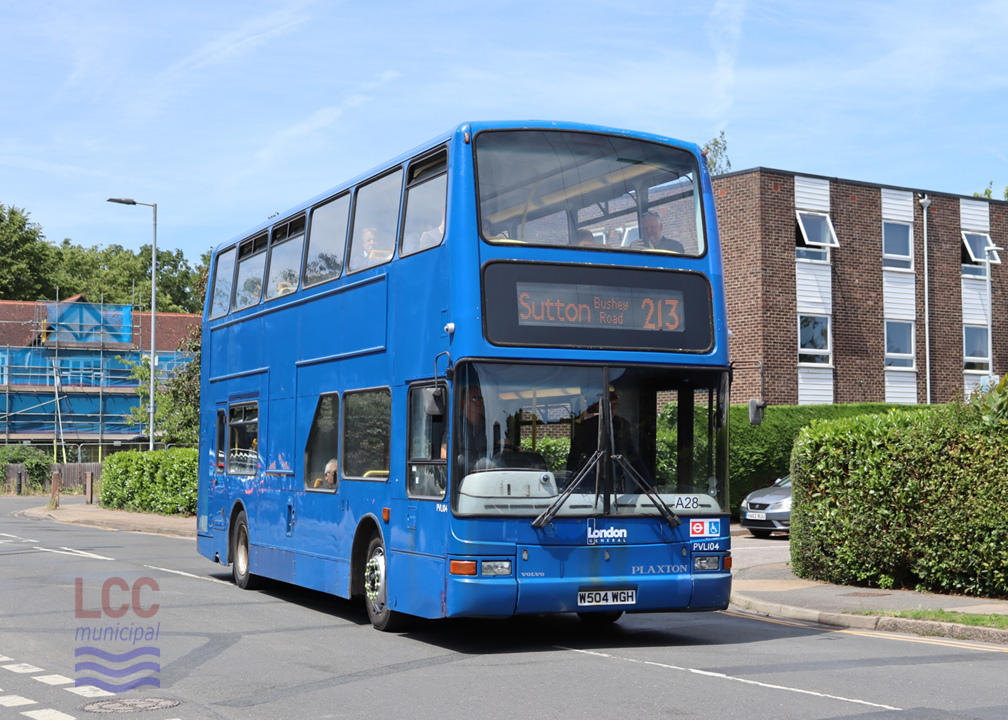
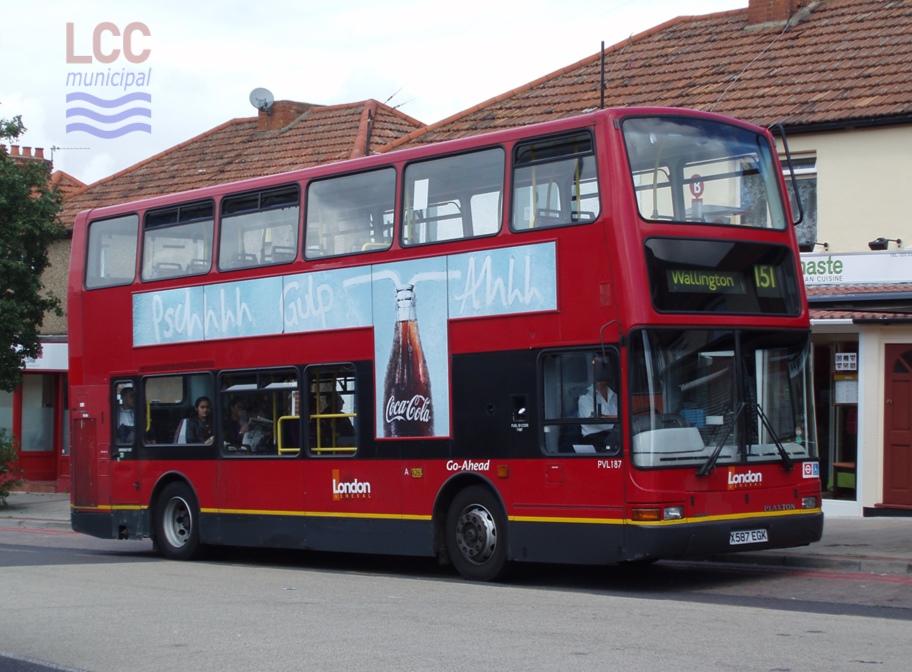
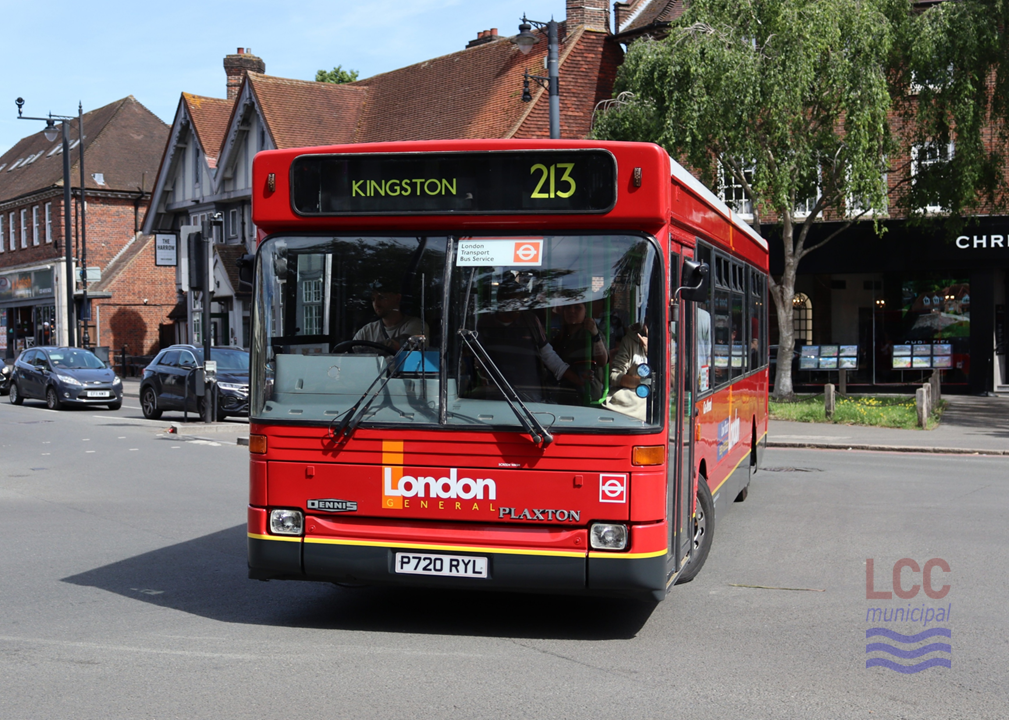
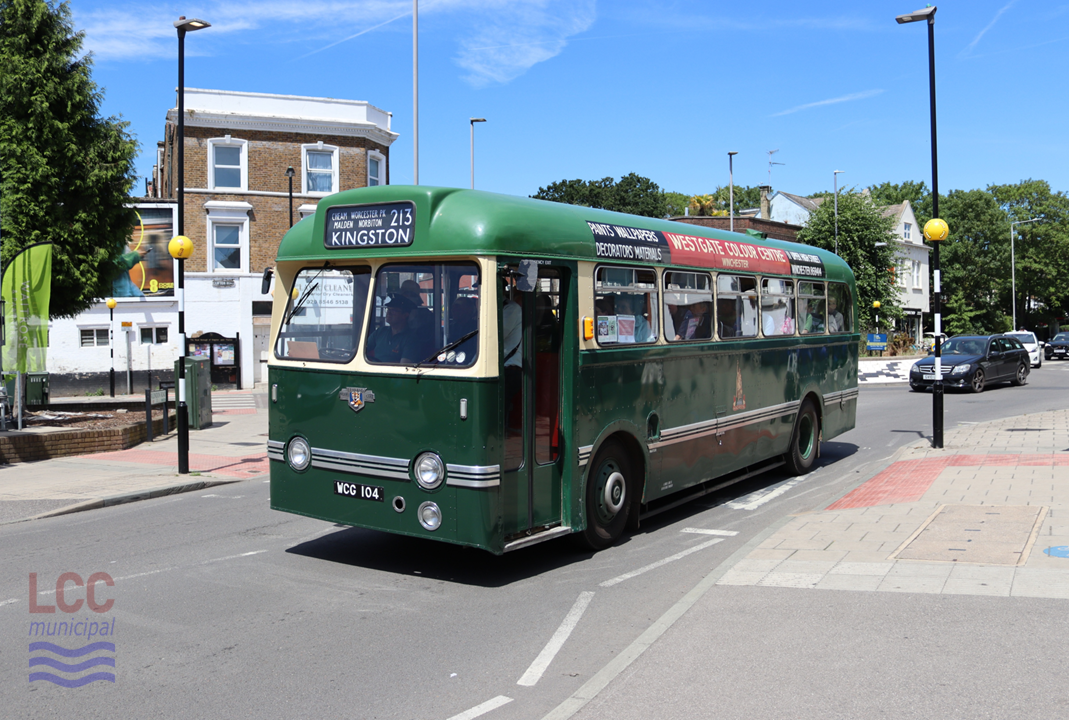
Here are some of my pictures from the day – I have also thrown in a few of my older photos for some context. I didn’t capture all the buses that were running on 13th June, which brought home to me how difficult it is snapping lots of different vehicles in a wide range of locations while still managing to get some bus rides in – you certainly need all day and a lot of planning!
These images are at a lower resolution in order to optimise the loading and running of the website.
Routemasters
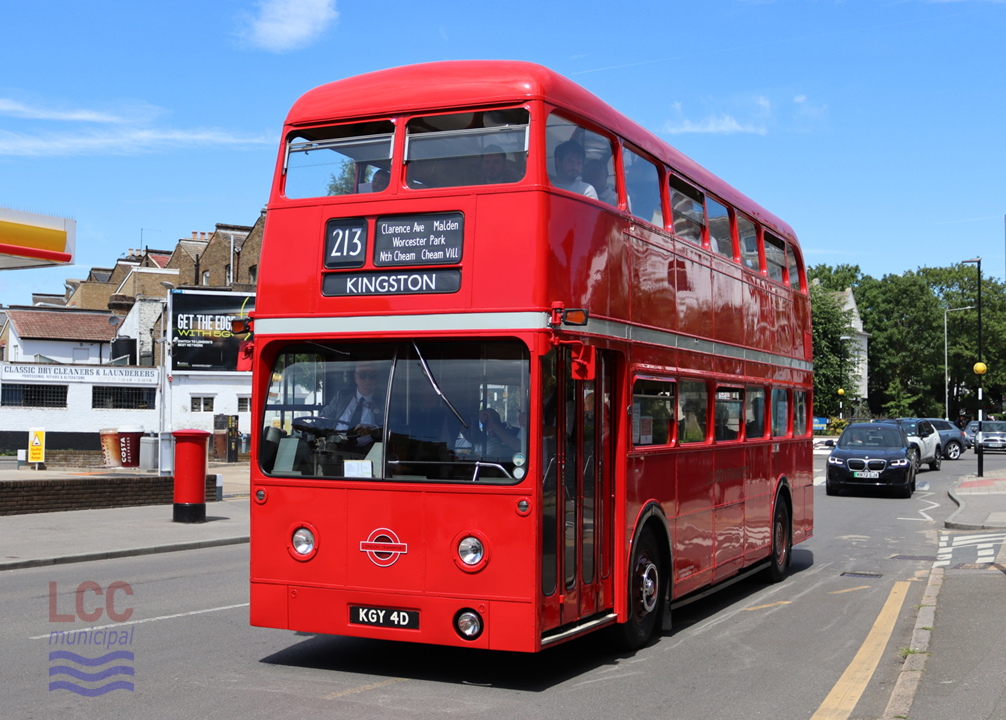
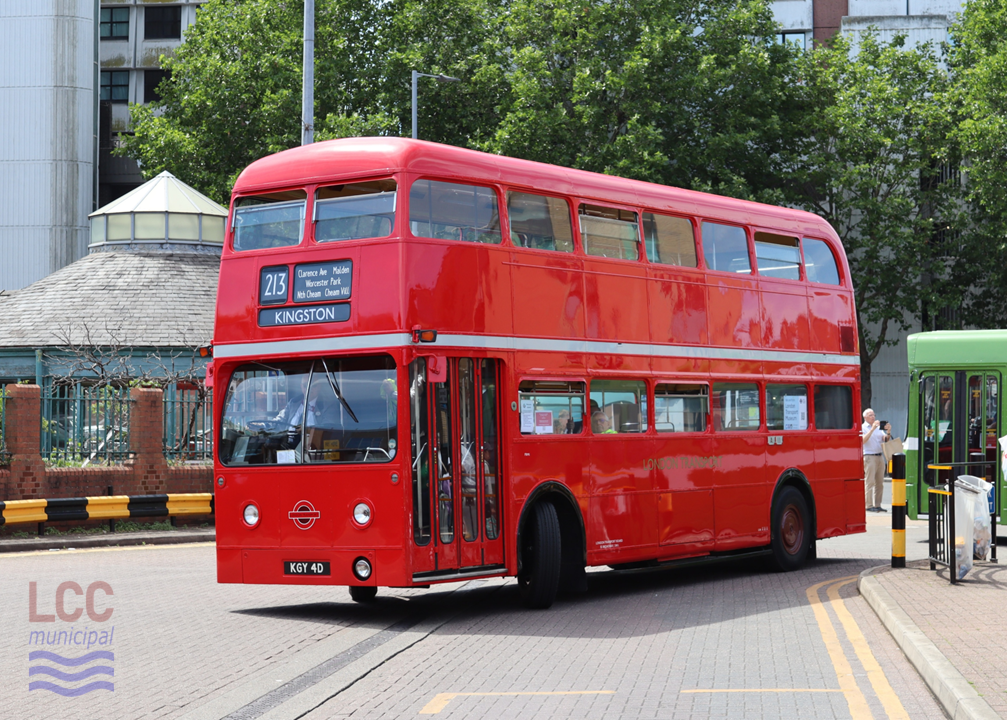
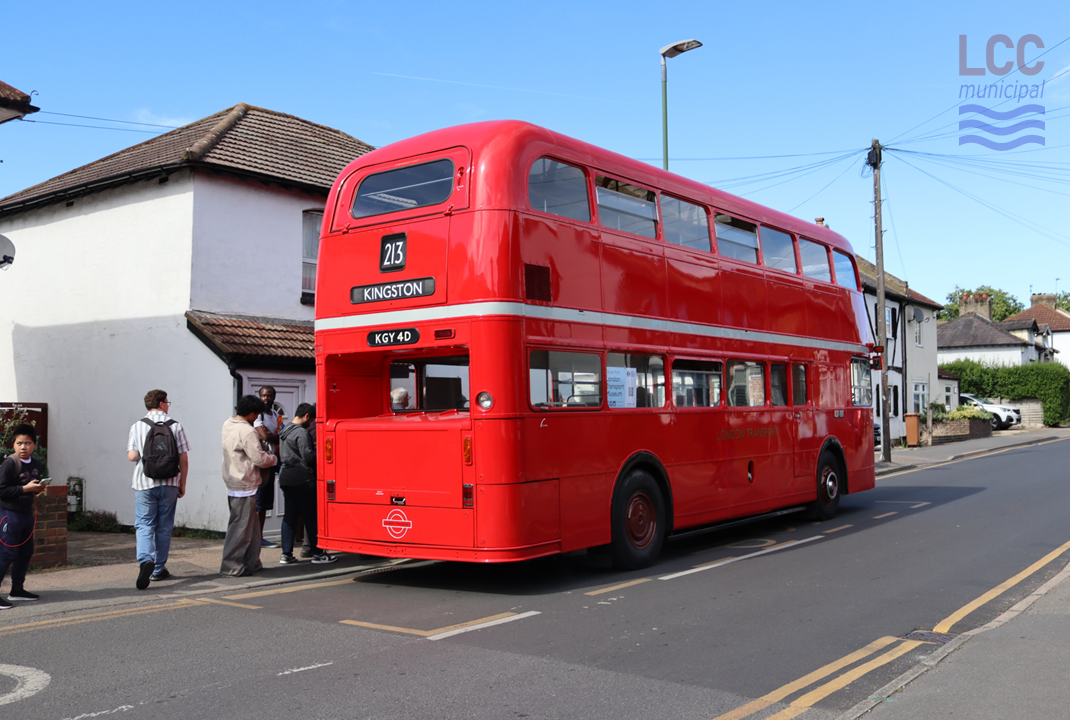
FRM1 – the rear-engine, front-entrance Routemaster
FRM1 is a unique vehicle, which now forms part of the London Transport Museum collection. It is a prototype Routemaster from 1966 which responded to the growing preference in the 1960s for rear-engined, front entrance buses which could allow one person operation. Alas, history and time were not on AEC’s side and the project never progressed further. Place your hand over the lower deck and look at the top only and you will see its Routemaster heritage clearly.
MCW Metrobuses
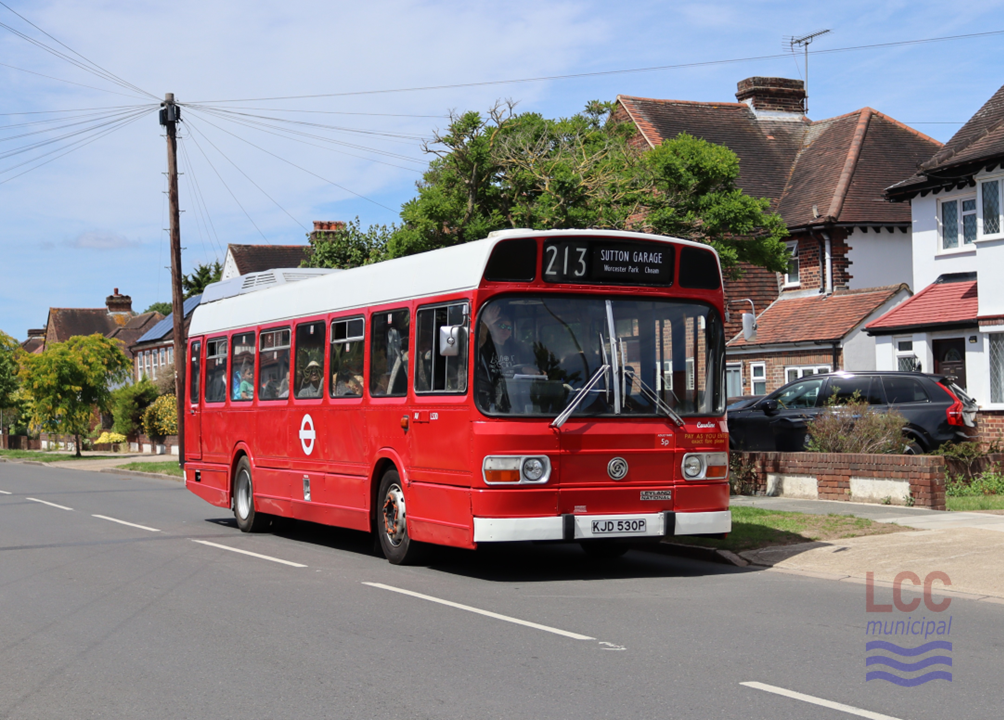
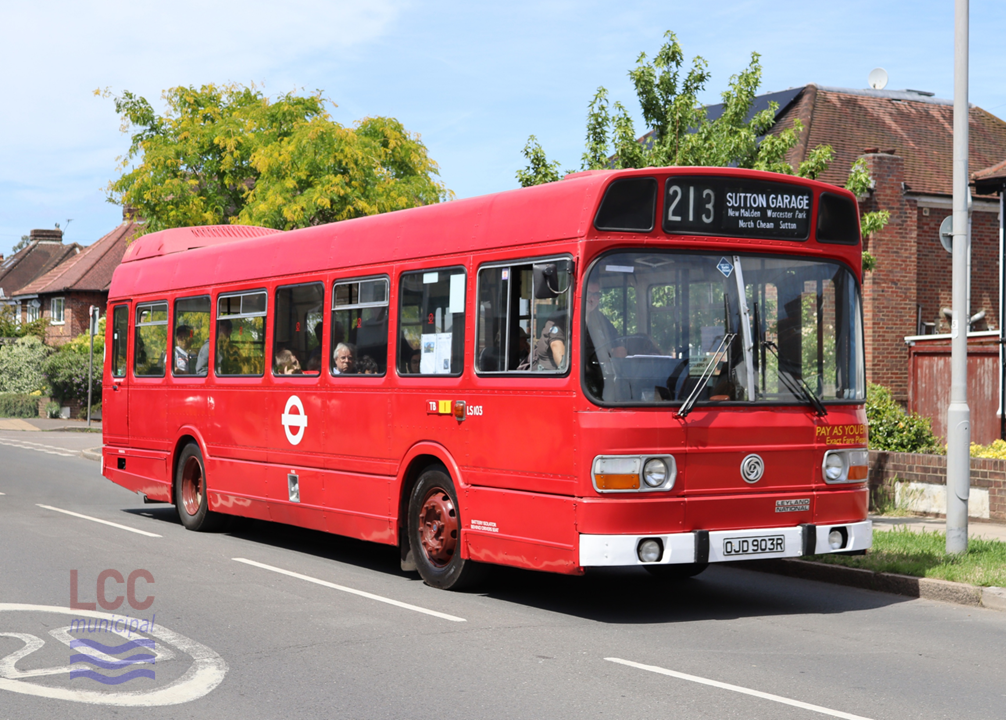
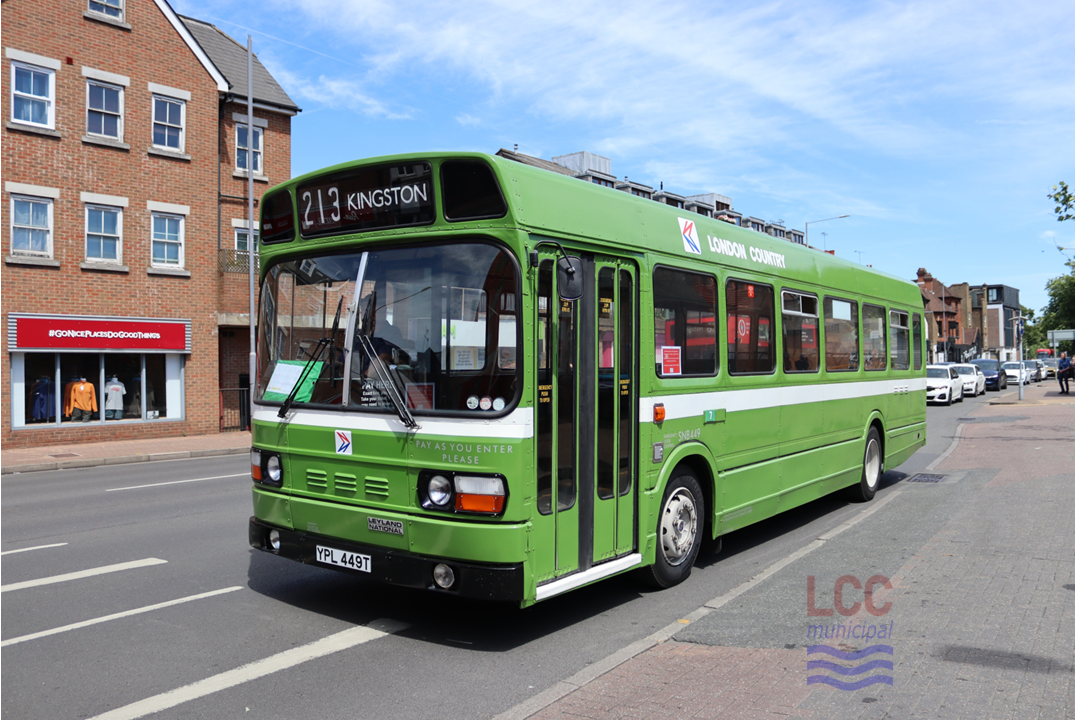
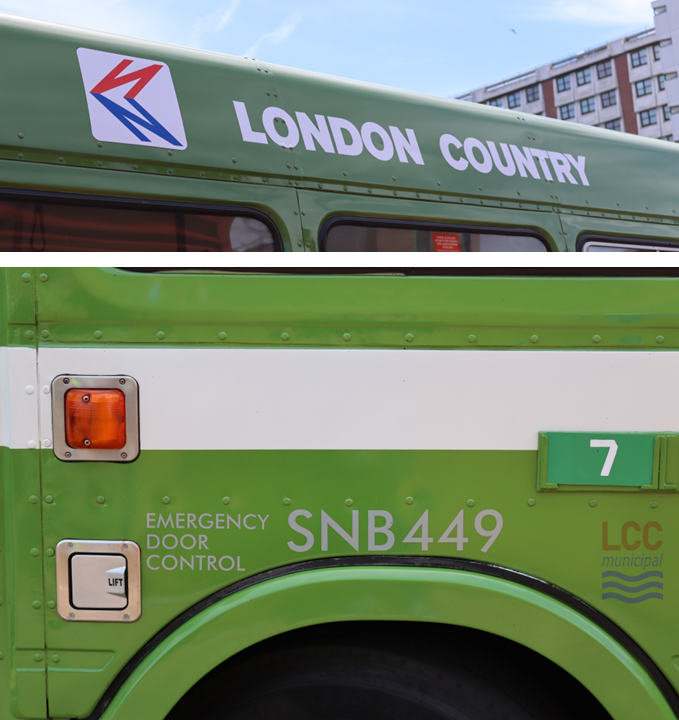
Leyland Nationals
Let’s start with a photo from my archive…
AEC RF (Regal IV)
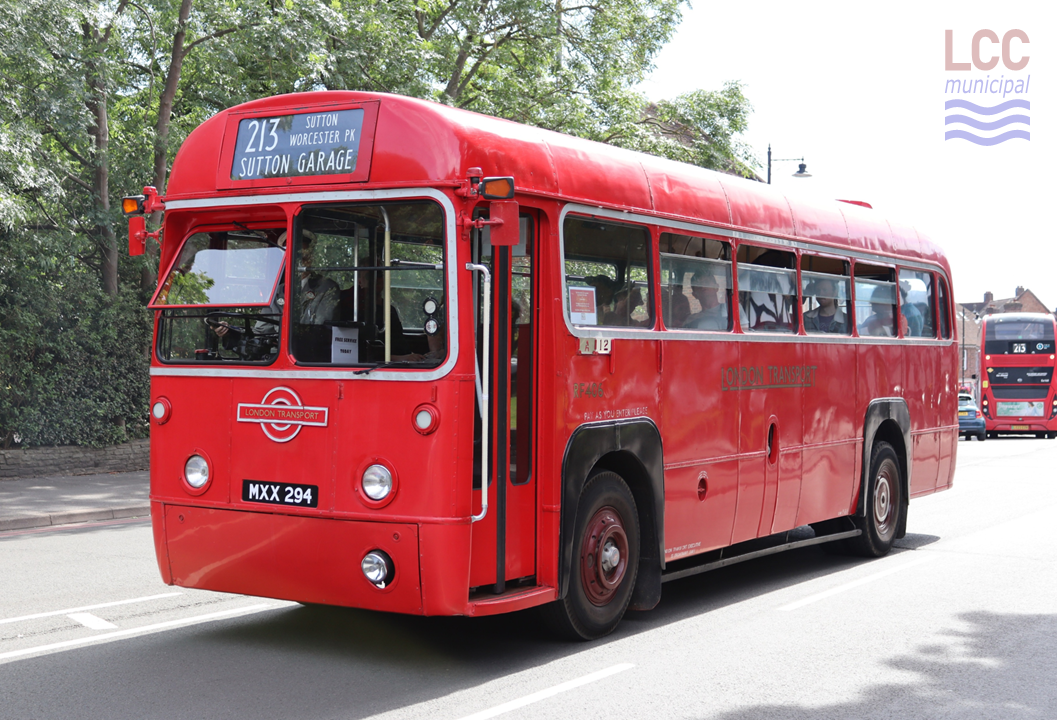
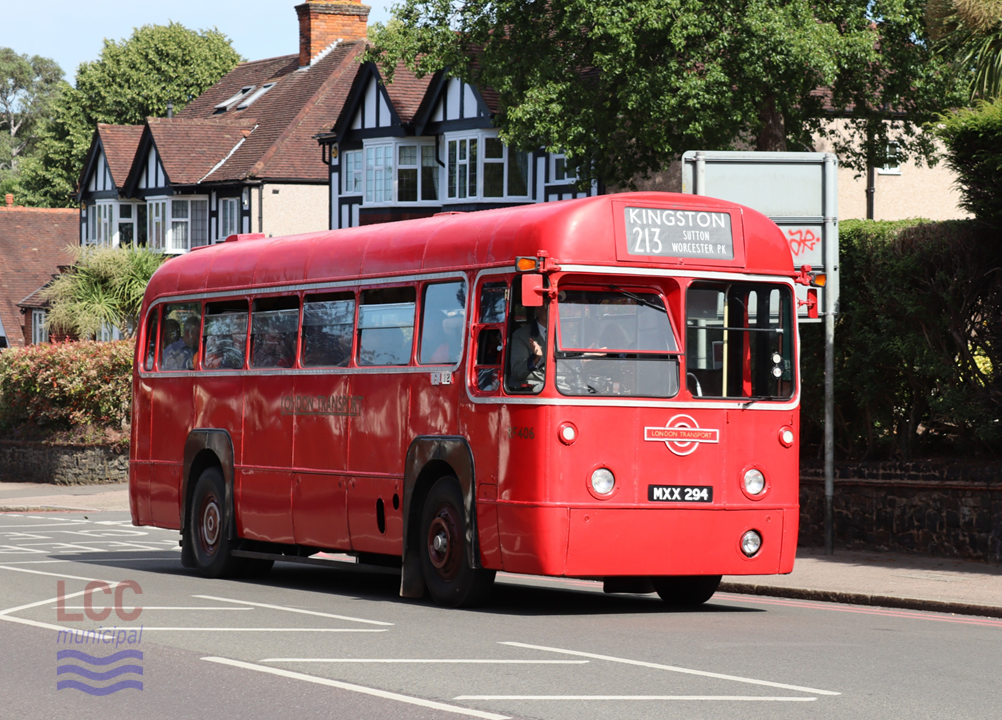
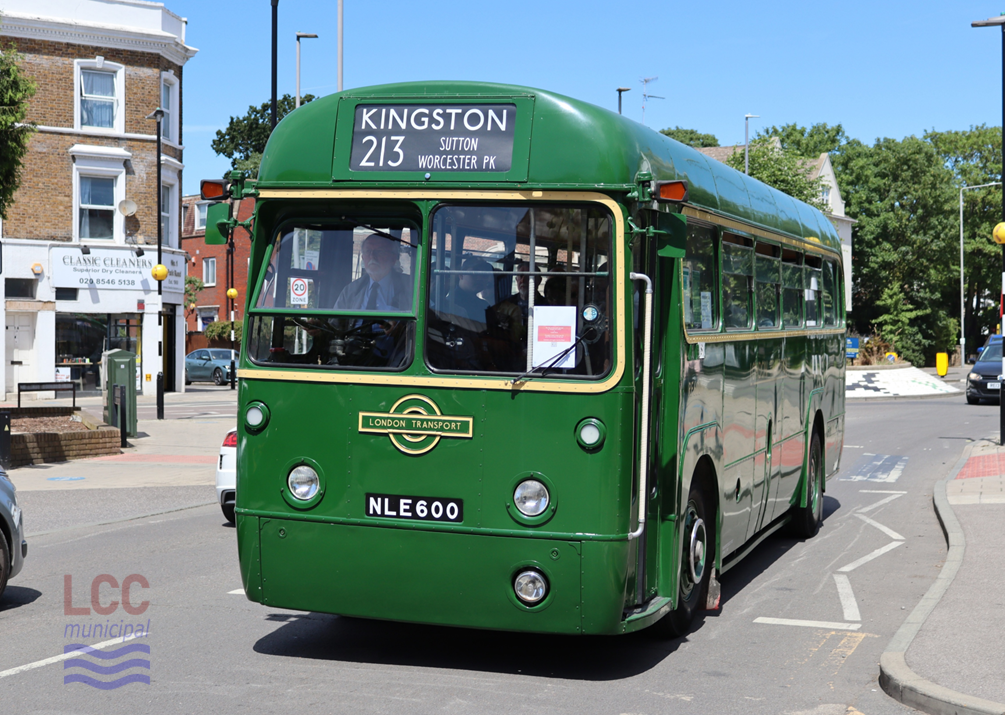
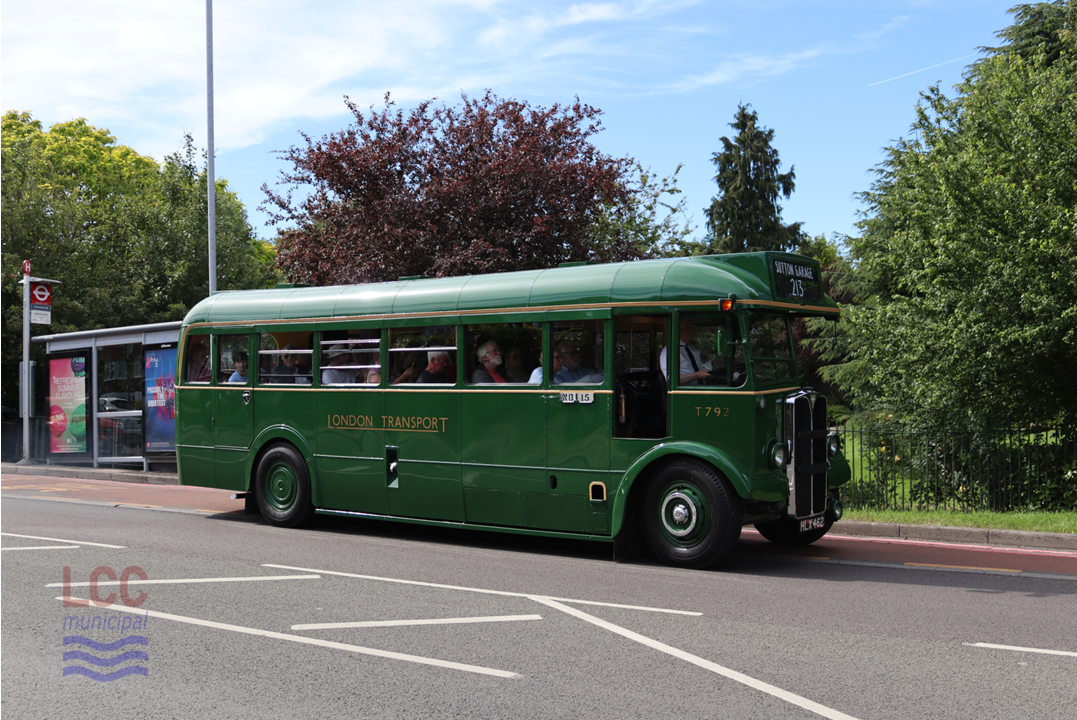
And a varied selection of other vehicles
Business as usual
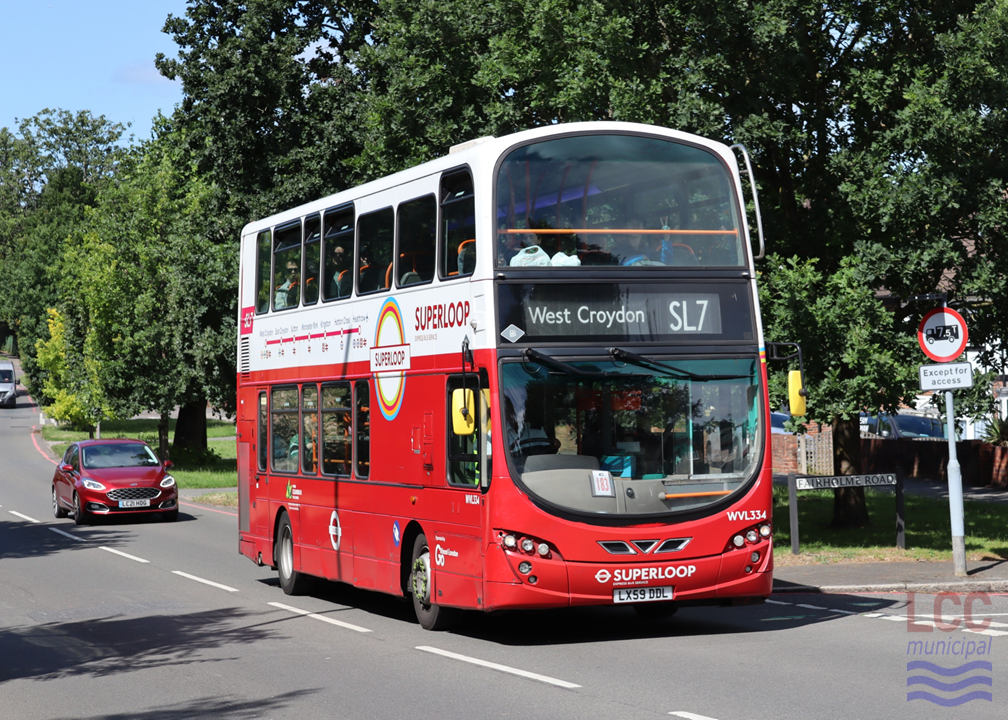
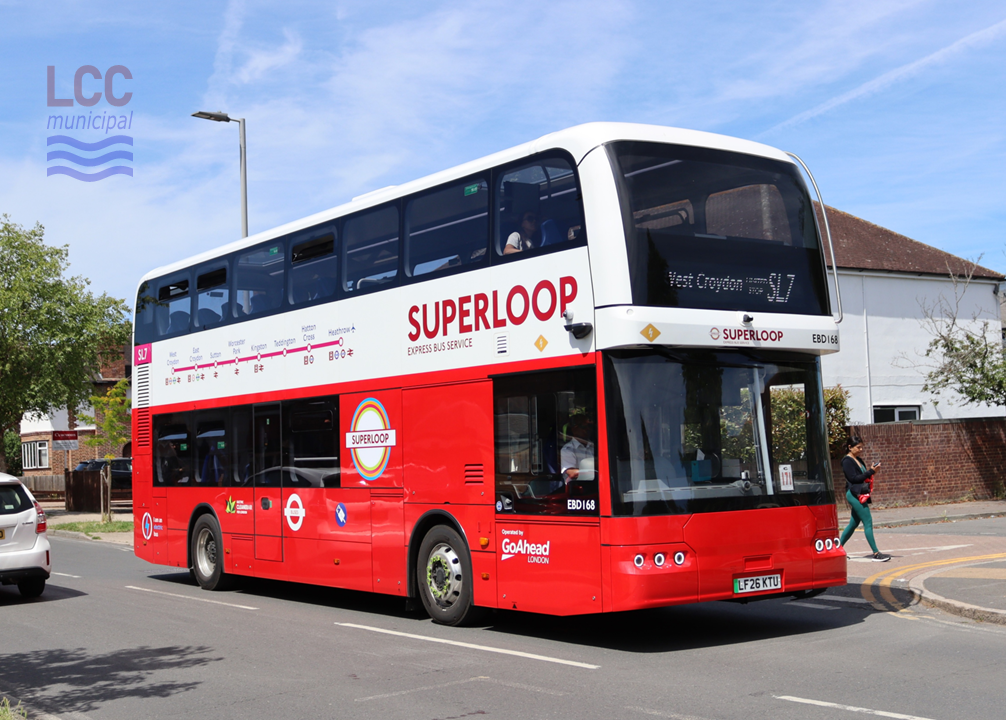
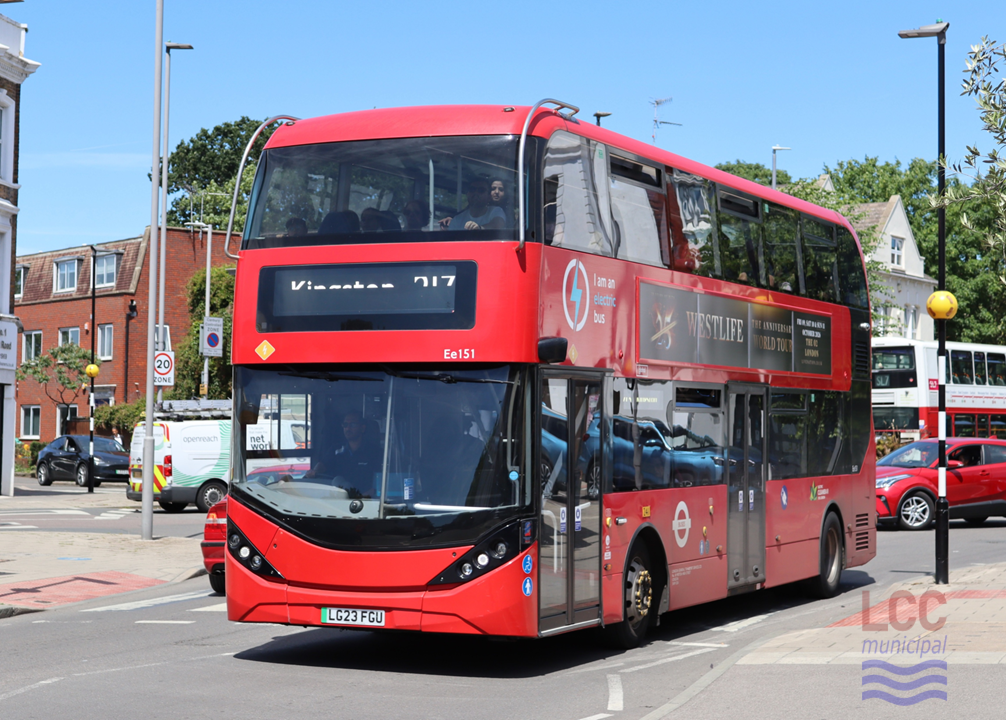
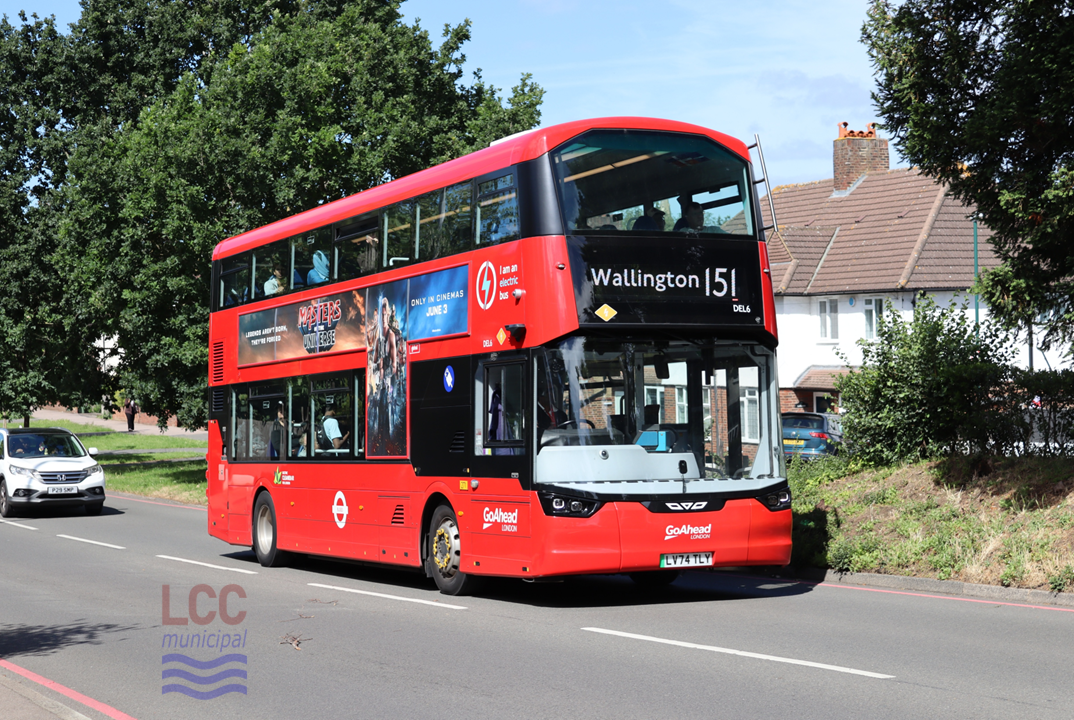
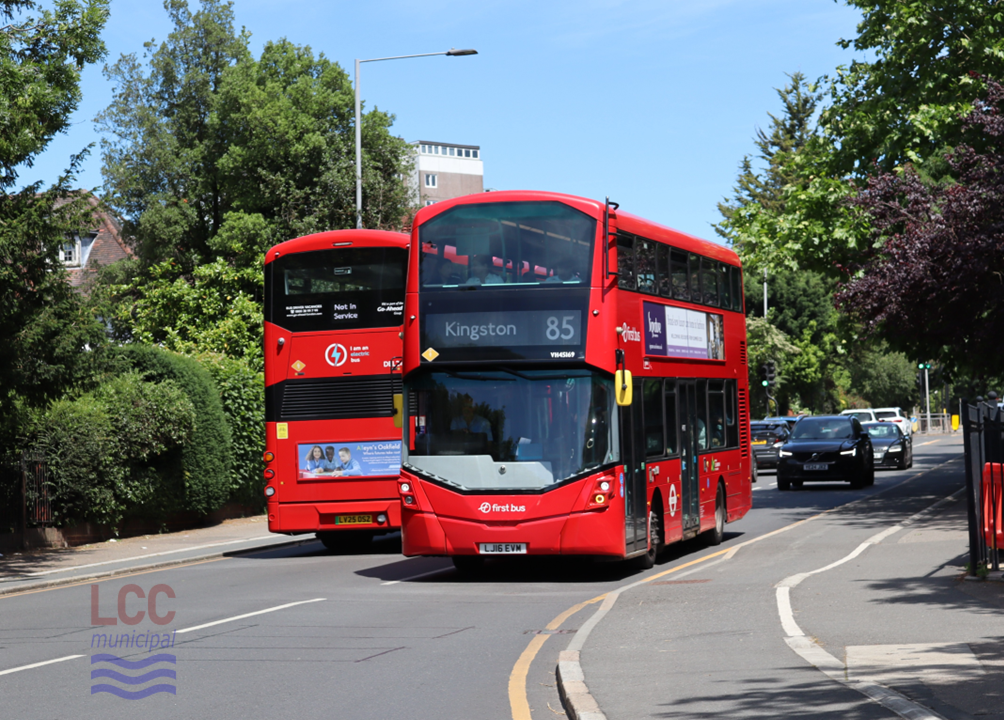
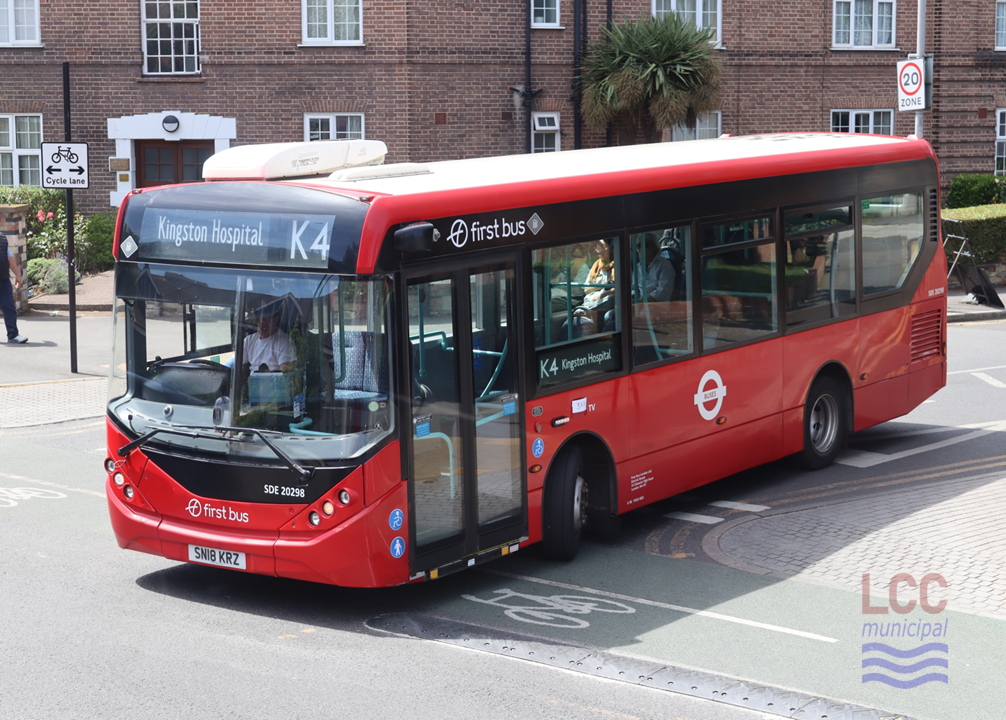
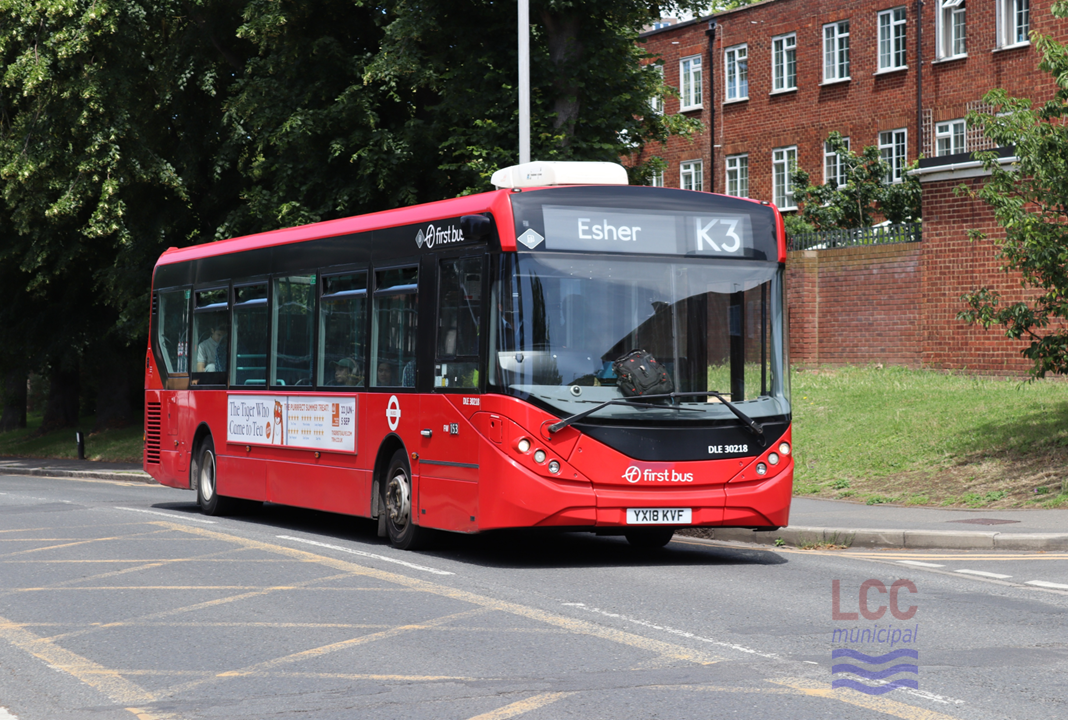
I took the opportunity to record some of the current fleets as and when I saw them. Here is a selection:
Business as (un)usual
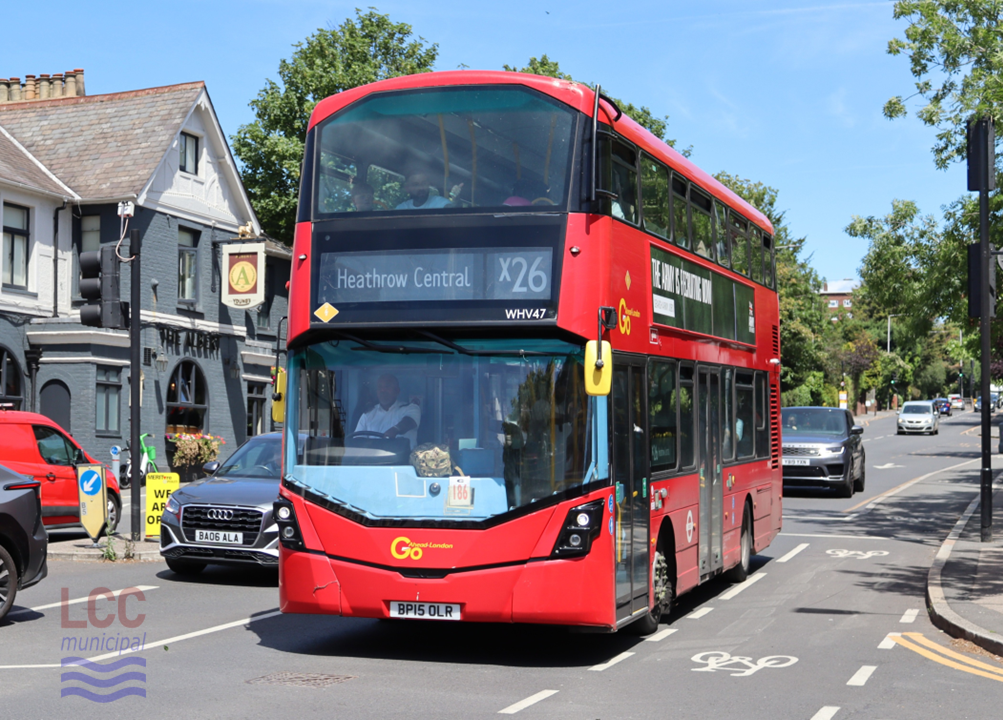
The former X26 rote from Heathrow to West Croydon (a long time ago, the 726 Green Line route) was rebranded as the SL7 upon the introduction of Transport for London’s Superloop network. However, Go Ahead’s WHV47 (a Volvo chassis with Wright Eclipse Gemini body) was working the SL7 on the day but still showing the X26 route number.
Notes
[1] Privatising London’s Buses, Roger Torode, Capital Transport Publishing, 2015
[2] ibid. pages 7-8
[3] ibid. page 18


Leave a Reply